Exterior
Best Exterior Paint for Chicago Winters: What Actually Holds Up
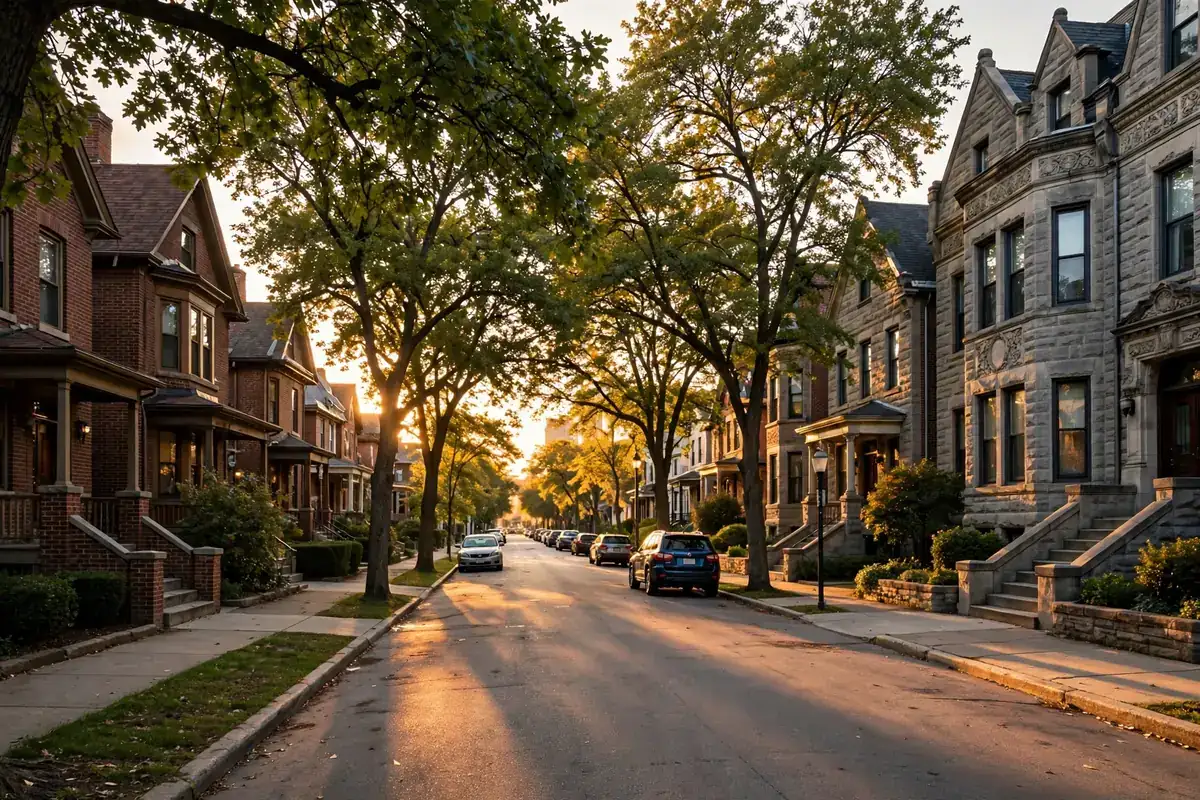
Chicago winters are brutal on house exteriors. Water gets into tiny cracks, freezes, expands, and pops paint right off the surface. Choosing the right exterior paint — and more importantly, the right prep — is what separates a paint job that lasts a decade from one that peels by spring.
On this page
What Chicago weather does to paint
The freeze-thaw cycle is the main enemy. Moisture enters through failed caulk, cracks, or bare wood, then freezing temperatures expand it and break the paint film. South and west exposures add UV damage, while north sides battle mildew from slow drying. Any exterior paint used here needs flexibility, strong adhesion, and moisture resistance.
What to look for in an exterior paint
Look for 100% acrylic exterior paints from reputable manufacturers — they stay flexible through temperature swings and resist cracking far better than cheaper alternatives. Elastomeric coatings add extra waterproofing on masonry and stucco. Your painter will match the product to the surface: wood siding, brick, stucco, and fiber cement each have ideal systems.
Why prep beats brand every time
Even the best paint fails over bad prep. Proper exterior prep means washing, scraping all loose paint, sanding, repairing damaged wood, caulking gaps, and spot-priming bare areas. This is where most of the labor goes — and where lasting jobs are won.
Timing matters too
Exterior paint needs temperatures consistently above 50°F and dry conditions to cure properly. In Chicago, that typically means late spring through early fall. Painting too late in the season risks poor curing and early failure.
Need help with your painting project? trusted painters in Chicago — call (312) 517-2232 for a free estimate anywhere in the Chicago area.
FAQs
A well-prepped job with quality paint typically lasts 7–10 years. Harsh exposures or neglected maintenance shorten that.
Yes, with masonry-specific primer and breathable exterior paint. It's a long-term commitment — discuss it thoroughly with your painter first.
Rarely. Two coats are standard for durability and uniform color, especially over repairs or color changes.
Related Services
Keep Reading
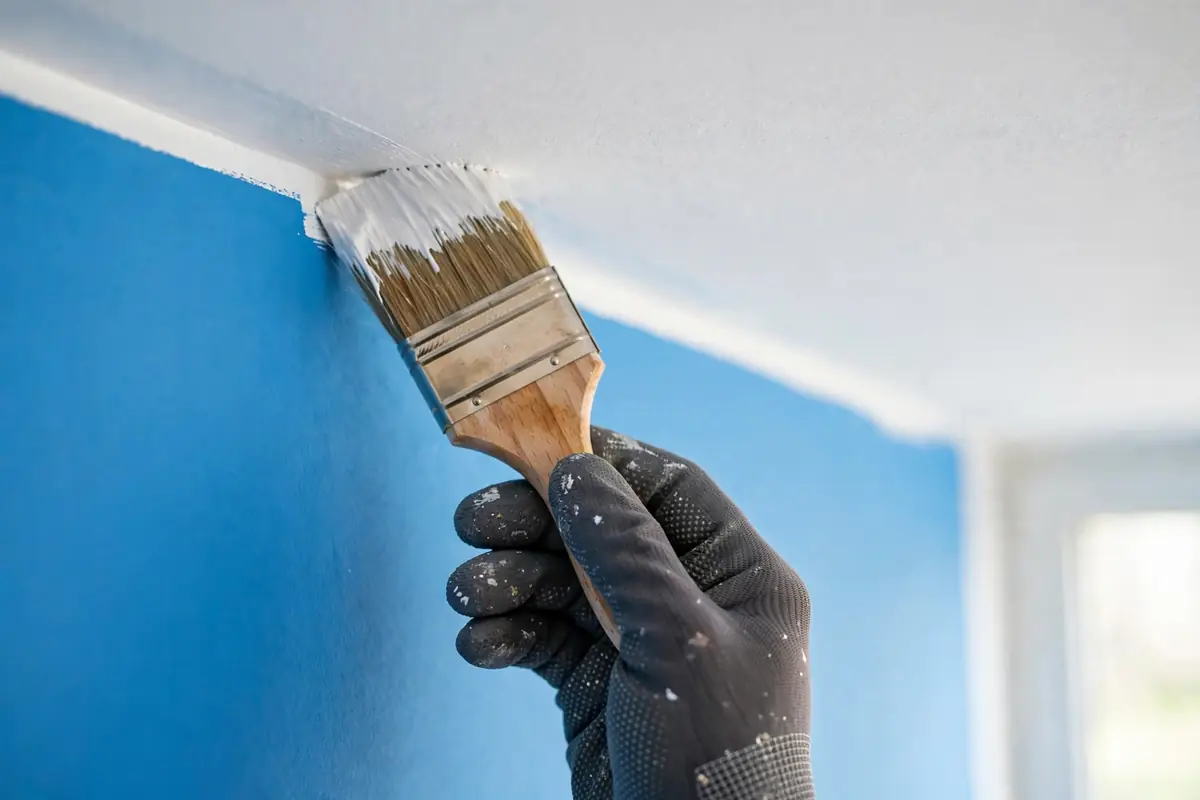
The Right Way to Paint Brick (Chicago's Brick Homes Guide)
Read more →