Cost Guides
What Affects a Painting Estimate? How Pros Price Your Project
Ever wonder what a painter is actually evaluating during an estimate visit? Understanding the process helps you compare quotes intelligently and avoid surprises.
On this page
What the estimator measures
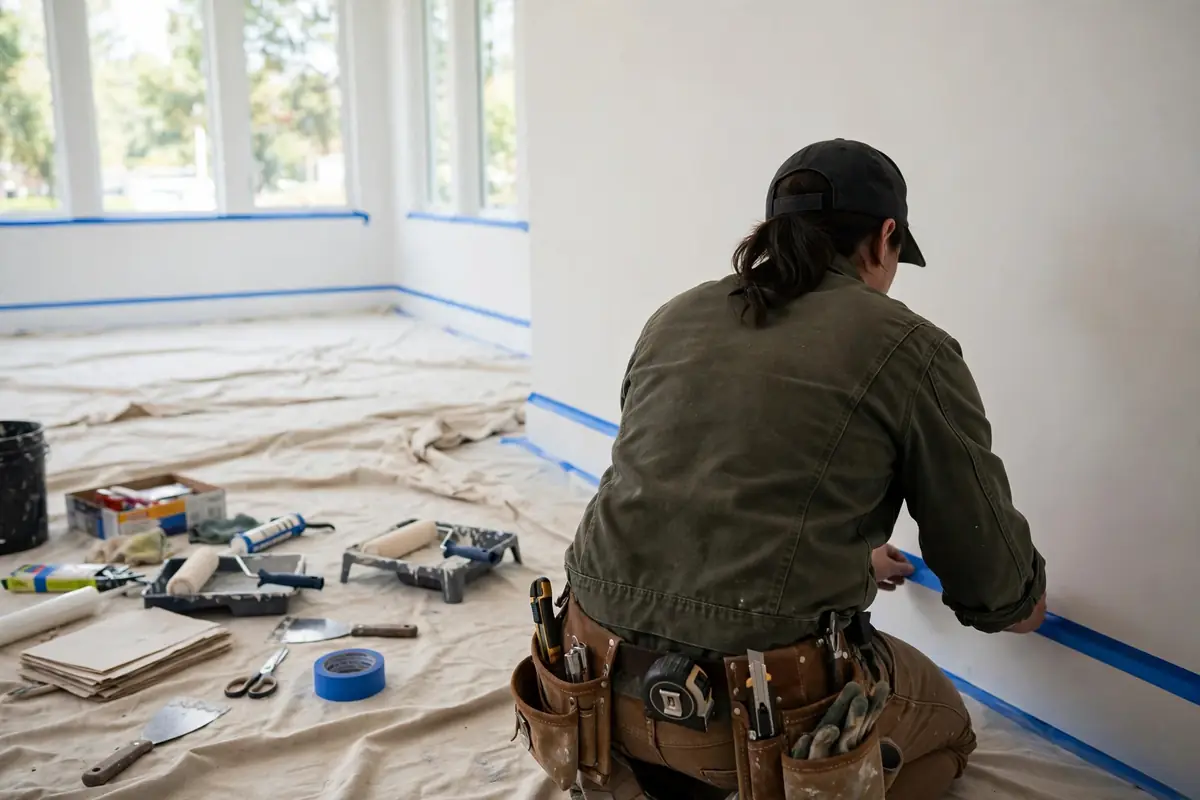
Paintable surface area (walls, ceilings, trim — not just floor square footage), surface condition (repairs needed, existing paint failure, stains), access challenges (high ceilings, stairwells, tight exteriors), and special requirements (lead-safe practices, color changes, specialty finishes).
Labor vs. materials
Labor is the majority of any painting quote — typically 70–85%. Materials (paint, primer, caulk, sundries) are comparatively small, which is why 'supply your own paint to save money' rarely saves much, and why cheap labor quotes should raise questions about prep quality.
What a good written estimate includes
Surfaces to be painted, prep steps in detail, specific paint products and number of coats, repairs included vs. extra, timeline, total price, payment terms, and warranty/touch-up policy. Vague one-line quotes aren't estimates — they're guesses.
How to use this when comparing
Line up the scopes side by side. If one bid is far lower, find what's missing — usually prep, coats, or product quality. The best value is rarely the lowest price; it's the most complete scope at a fair price.
Need help with your painting project? trusted painters in Chicago — call (312) 517-2232 for a free estimate anywhere in the Chicago area.
FAQs
Yes — reputable painters estimate free with no obligation. It's how the industry works.
Sharing a rough budget helps them scope appropriately — it's not a disadvantage.
Typically 30–90 days. Material prices and schedules change, so don't sit on a quote for six months.
Related Services
Keep Reading
Best Exterior Paint for Chicago Winters: What Actually Holds Up
Read more →